
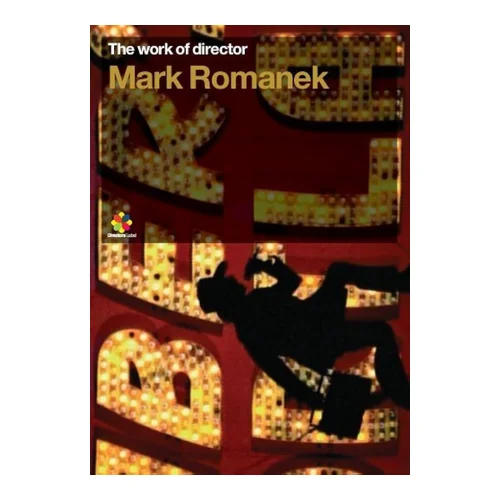


Le titre complet du coffret est The Work of Director Mark Romanek, publié en 2005 par Palm Pictures et distribué par Mute Records, comme quatrième volume de la série documentaire Directors Label, faisant suite aux volumes consacrés à Spike Jonze, Chris Cunningham et Michel Gondry. Le DVD compile vingt-cinq clips musicaux réalisés par le cinéaste américain entre la fin des années 1980 et le milieu des années 2000, accompagnés d’un documentaire biographique inédit et de plusieurs suppléments. Il retrace l’évolution stylistique de Romanek, marquée par une esthétique soignée, un travail approfondi sur la lumière et une approche cinématographique du clip musical.
Le disque rassemble notamment les clips de Jay-Z (« 99 Problems »), Johnny Cash (« Hurt »), Nine Inch Nails (« The Perfect Drug » et « Closer »), Madonna (« Bedtime Story » et « Rain »), David Bowie (« Jump, They Say »), Michael Jackson et Janet Jackson (« Scream »), Fiona Apple (« Criminal »), Beck (« Devil’s Haircut »), Red Hot Chili Peppers (« Can’t Stop »), Linkin Park (« Faint »), R.E.M. (« Strange Currencies »), Weezer (« El Scorcho »), Audioslave (« Cochise »), No Doubt (« Hella Good »), Keith Richards (« Wicked as It Seems ») et Mick Jagger (« God Gave Me Everything »), parmi d’autres artistes. Plusieurs vidéos sont présentées en montage director’s cut. Le coffret inclut également un documentaire de 38 minutes réunissant des témoignages de Beck, Jay-Z, Rick Rubin, Michael Stipe, Janet Jackson, Trent Reznor, Anthony Kiedis, Gwen Stefani et Keith Richards, ainsi qu’un segment intitulé « Romanekian » où Ben Stiller, Chris Rock et Robin Williams évoquent le travail du réalisateur, et un making-of du tournage de « 99 Problems ».
Le projet s’inscrit dans la deuxième vague de la série Directors Label, lancée en 2005 avec les volumes consacrés à Mark Romanek, Jonathan Glazer, Anton Corbijn et Stéphane Sednaoui. Avant de s’imposer comme réalisateur de clips, Romanek avait signé son premier long métrage, Static, en 1988, avant de développer une carrière prolifique dans le clip musical puis de revenir au cinéma avec One Hour Photo en 2002. Le coffret est accompagné d’un livret de 52 pages réunissant des photographies prises par Romanek ainsi qu’un entretien mené par Spike Jonze. Chaque clip dispose par ailleurs d’un commentaire audio individuel du réalisateur, et plusieurs vidéos sont commentées par les artistes eux-mêmes, dont Trent Reznor, Fiona Apple, Michael Stipe et Kim Gordon.
L’accueil critique a salué la cohérence et l’ampleur de la rétrospective, la presse spécialisée soulignant en particulier la réussite du clip de « Hurt » pour Johnny Cash, considéré comme l’un des sommets de la carrière de Romanek et cité à plusieurs reprises comme référence du genre. Le documentaire biographique inclus dans le coffret a également été apprécié pour la qualité de ses témoignages d’artistes ayant travaillé avec le réalisateur. Aucune récompense spécifique attribuée au DVD lui-même n’a pu être confirmée ; les distinctions documentées concernent les clips pris individuellement, notamment ceux ayant été nommés ou récompensés aux MTV Video Music Awards. Le DVD occupe une place de référence dans la reconnaissance critique du travail de Mark Romanek et dans l’histoire éditoriale du clip musical en tant que genre.
The full title of the collection is The Work of Director Mark Romanek, released in 2005 by Palm Pictures and distributed by Mute Records, as the fourth volume of the Directors Label documentary series, following the volumes dedicated to Spike Jonze, Chris Cunningham, and Michel Gondry. The DVD compiles twenty-five music videos directed by the American filmmaker between the late 1980s and the mid-2000s, alongside a new biographical documentary and several bonus features. It traces Romanek’s stylistic evolution, marked by a polished aesthetic, meticulous attention to lighting, and a cinematic approach to the music video format.
The disc gathers videos for Jay-Z (« 99 Problems »), Johnny Cash (« Hurt »), Nine Inch Nails (« The Perfect Drug » and « Closer »), Madonna (« Bedtime Story » and « Rain »), David Bowie (« Jump, They Say »), Michael Jackson and Janet Jackson (« Scream »), Fiona Apple (« Criminal »), Beck (« Devil’s Haircut »), Red Hot Chili Peppers (« Can’t Stop »), Linkin Park (« Faint »), R.E.M. (« Strange Currencies »), Weezer (« El Scorcho »), Audioslave (« Cochise »), No Doubt (« Hella Good »), Keith Richards (« Wicked as It Seems »), and Mick Jagger (« God Gave Me Everything »), among other artists. Several videos are presented in director’s cut form. The collection also includes a 38-minute documentary featuring interviews with Beck, Jay-Z, Rick Rubin, Michael Stipe, Janet Jackson, Trent Reznor, Anthony Kiedis, Gwen Stefani, and Keith Richards, as well as a segment titled « Romanekian, » in which Ben Stiller, Chris Rock, and Robin Williams discuss the director’s work, and a making-of covering the shoot of « 99 Problems. »
The project is part of the second wave of the Directors Label series, launched in 2005 with volumes dedicated to Mark Romanek, Jonathan Glazer, Anton Corbijn, and Stéphane Sednaoui. Before establishing himself as a music video director, Romanek had directed his debut feature film, Static, in 1988, before building a prolific music video career and later returning to filmmaking with One Hour Photo in 2002. The collection comes with a 52-page book featuring photographs taken by Romanek and an interview conducted by Spike Jonze. Each video also carries an individual audio commentary from the director, and several are commented on by the artists themselves, including Trent Reznor, Fiona Apple, Michael Stipe, and Kim Gordon.
Critical reception praised the depth and coherence of the retrospective, with specialized press particularly highlighting the success of the « Hurt » video for Johnny Cash, widely regarded as a career highlight for Romanek and repeatedly cited as a reference point for the genre. The biographical documentary included in the collection was also well received for the quality of its artist interviews. No award specifically attributed to the DVD itself could be confirmed; documented distinctions apply to individual videos, including several that were nominated for or won MTV Video Music Awards. The DVD holds a reference position in the critical recognition of Mark Romanek’s work and in the editorial history of the music video as a genre.