
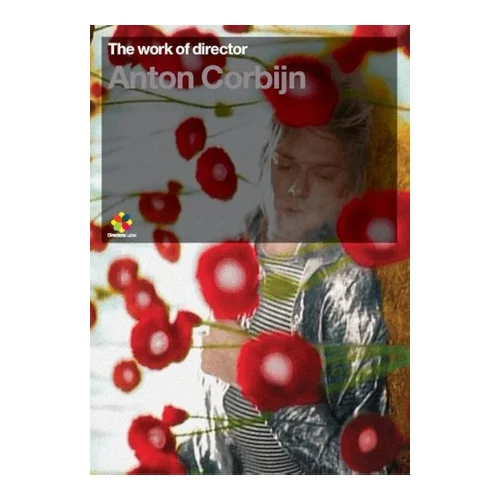


Le titre complet du coffret est The Work of Director Anton Corbijn, publié en 2005 par Palm Pictures et distribué par Mute Records, comme sixième volume de la série documentaire Directors Label. Le DVD retrace plus de vingt ans de carrière du photographe et réalisateur néerlandais à travers ses clips musicaux, publicités, films promotionnels et un documentaire biographique inédit intitulé « NotNa ». Il met en lumière l’esthétique en noir et blanc et l’univers granuleux caractéristiques de Corbijn, forgés à travers ses collaborations de longue date avec Depeche Mode et U2.
Le disque compile des clips réalisés par Anton Corbijn pour Depeche Mode (« Enjoy the Silence », « Behind the Wheel », « Walking in My Shoes », « Barrel of a Gun » et « It’s No Good »), U2 (« One », en montage director’s cut), Nirvana (« Heart-Shaped Box »), Metallica (« Hero of the Day » et « Mama Said »), Joy Division (« Atmosphere »), Echo and the Bunnymen (« Seven Seas » et « The Game »), Nick Cave and the Bad Seeds (« Straight to You »), Rollins Band (« Liar »), ainsi que des titres plus anciens pour Propaganda (« Dr. Mabuse »), David Sylvian (« Red Guitar »), Golden Earring (« Quiet Eyes ») et Joni Mitchell avec Peter Gabriel (« My Secret Place »). Le coffret comprend également « Hockey » pour Palais Schaumburg, présenté comme le tout premier clip réalisé par Corbijn, ainsi que des projections de tournée pour Depeche Mode, des promos pour Beck et Dave Grohl, un making-of du clip « Electrical Storm » de U2, et une vidéo pour Front 242.
Le projet s’inscrit dans la deuxième vague de la série Directors Label, lancée en 2005 avec les volumes consacrés à Mark Romanek, Jonathan Glazer, Stéphane Sednaoui et Anton Corbijn. Le documentaire « NotNa », mené par les intervieweurs Lance Bangs, Jeff Buchanan et Richard Brown, retrace le parcours de Corbijn depuis ses débuts comme photographe néerlandais jusqu’à sa reconnaissance internationale comme réalisateur de clips et de publicités. Le coffret est accompagné d’un livret de 56 pages réunissant photographies, textes et dessins du réalisateur, conformément au format standard adopté pour cette seconde vague de la série.
L’accueil critique s’est révélé plus partagé que pour les volumes précédents de la collection, une partie de la presse spécialisée regrettant l’absence de certains clips emblématiques de Depeche Mode réalisés au début de la collaboration entre l’artiste et le groupe, ainsi qu’un contenu bonus jugé moins riche que celui d’autres volumes de la série. D’autres commentateurs ont au contraire salué la présence de titres marquants comme « One » de U2, « Enjoy the Silence » de Depeche Mode, « Heart-Shaped Box » de Nirvana et « Hero of the Day » de Metallica, considérés comme des jalons du clip musical des années 1990. Aucune récompense spécifique attribuée au DVD lui-même n’a pu être confirmée ; les distinctions documentées concernent les clips pris individuellement. Le DVD occupe une place de référence, bien que diversement appréciée par la critique, dans la reconnaissance du travail d’Anton Corbijn et dans l’histoire éditoriale du clip musical en tant que genre.
The full title of the collection is The Work of Director Anton Corbijn, released in 2005 by Palm Pictures and distributed by Mute Records, as the sixth volume of the Directors Label documentary series. The DVD traces more than two decades of the Dutch photographer and director’s career through his music videos, commercials, promotional films, and a new biographical documentary titled « NotNa. » It highlights the black-and-white, grainy aesthetic characteristic of Corbijn’s work, largely shaped through his long-standing collaborations with Depeche Mode and U2.
The disc compiles videos directed by Anton Corbijn for Depeche Mode (« Enjoy the Silence, » « Behind the Wheel, » « Walking in My Shoes, » « Barrel of a Gun, » and « It’s No Good »), U2 (« One, » presented as a director’s cut), Nirvana (« Heart-Shaped Box »), Metallica (« Hero of the Day » and « Mama Said »), Joy Division (« Atmosphere »), Echo and the Bunnymen (« Seven Seas » and « The Game »), Nick Cave and the Bad Seeds (« Straight to You »), Rollins Band (« Liar »), as well as earlier work for Propaganda (« Dr. Mabuse »), David Sylvian (« Red Guitar »), Golden Earring (« Quiet Eyes »), and Joni Mitchell with Peter Gabriel (« My Secret Place »). The collection also includes « Hockey » for Palais Schaumburg, presented as Corbijn’s very first music video, along with tour projections made for Depeche Mode, promos for Beck and Dave Grohl, a making-of for U2’s « Electrical Storm, » and a video for Front 242.
The project is part of the second wave of the Directors Label series, launched in 2005 with volumes dedicated to Mark Romanek, Jonathan Glazer, Stéphane Sednaoui, and Anton Corbijn. The « NotNa » documentary, conducted by interviewers Lance Bangs, Jeff Buchanan, and Richard Brown, traces Corbijn’s path from his beginnings as a Dutch photographer to his international recognition as a director of music videos and commercials. The collection comes with a 56-page book gathering photographs, writings, and drawings by the director, in line with the standard format adopted for this second wave of the series.
Critical reception proved more mixed than for earlier volumes in the collection, with part of the specialized press regretting the absence of certain landmark early videos from Corbijn’s collaboration with Depeche Mode, as well as bonus content considered less substantial than in other volumes of the series. Other commentators, by contrast, praised the inclusion of significant titles such as U2’s « One, » Depeche Mode’s « Enjoy the Silence, » Nirvana’s « Heart-Shaped Box, » and Metallica’s « Hero of the Day, » regarded as milestones of 1990s music video direction. No award specifically attributed to the DVD itself could be confirmed; documented distinctions apply to individual videos. The DVD holds a reference position, though critically debated, in the recognition of Anton Corbijn’s work and in the editorial history of the music video as a genre.