




Massive Attack, groupe britannique originaire de Bristol formé en 1988 par Robert Del Naja (3D), Grant Marshall (Daddy G), Andrew Vowles (Mushroom) et Adrian Thaws (Tricky), s’impose comme un pionnier du trip hop. Issus de la scène underground de Bristol et du collectif The Wild Bunch, ils développent dès les années 1990 un son sombre et cinématographique mêlant hip-hop, dub, soul et électronique, porté par des collaborations vocales récurrentes, notamment avec le chanteur jamaïcain Horace Andy.
Massive Attack naît de la scène du sound system bristolien The Wild Bunch, actif depuis le début des années 1980, dont Del Naja, Marshall, Vowles et Thaws sont membres. À la fin des années 1980, le producteur Cameron McVey, mari de la chanteuse Neneh Cherry, encourage le trio à se professionnaliser en studio. De cette collaboration naît Blue Lines, premier album, publié en 1991 sous le nom Massive, en raison de la guerre du Golfe, avant de reprendre son nom complet. L’album marque la rencontre avec la chanteuse Shara Nelson et le chanteur jamaïcain Horace Andy, qui deviendra un collaborateur permanent. Tricky quitte le groupe en 1994 après la sortie de Protection, pour se consacrer à une carrière solo saluée par la critique. Mushroom quitte à son tour en 1999, en désaccord avec l’évolution plus sombre voulue par Del Naja, laissant le groupe se poursuivre en duo avec Daddy G.
Le style de Massive Attack évolue constamment : d’abord proche du hip-hop, du groove et de la soul, il s’oriente ensuite vers une musique électronique plus sombre et plus expérimentale. La production, marquée par des basses profondes, des samples travaillés, des nappes atmosphériques et des rythmes lents et lourds, construit une esthétique cinématographique et mélancolique. Les voix, souvent invitées, alternent chant soul, rap et tonalités dub, notamment à travers la présence récurrente du chanteur jamaïcain Horace Andy. Les albums Protection et surtout Mezzanine, plus électrique et minimaliste, marquent un tournant vers des textures plus dures et anxiogènes. Les influences revendiquées vont du reggae et du dub jamaïcains au hip-hop américain, en passant par la soul, le funk et la musique électronique expérimentale britannique.
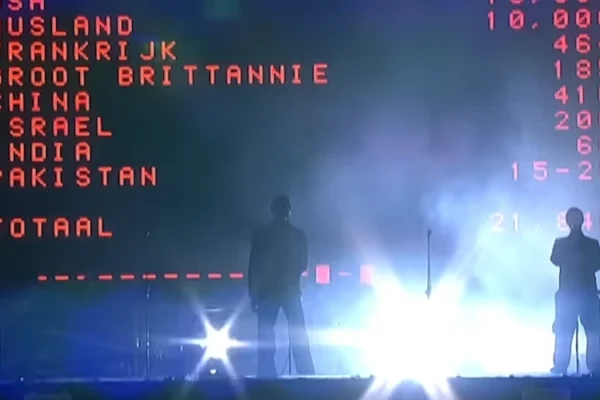
Massive Attack publie cinq albums studio entre 1991 et 2010 : Blue Lines (1991), Protection porté par le clip éponyme (1994), Mezzanine (1998), 100th Window (2003) et Heligoland (2010). Blue Lines, porté par le single « Unfinished Sympathy », pose les bases du trip hop et reçoit un accueil critique unanime. Mezzanine, avec les titres « Teardrop » et « Inertia Creeps », devient le premier album du groupe en tête des charts britanniques et reste considéré comme son sommet artistique. Après 2010, le groupe privilégie les formats courts : l’EP Ritual Spirit (2016), marqué par le retour de Tricky, les singles « The Spoils » avec Hope Sandoval et « Come Near Me » avec Ghostpoet, puis l’EP Eutopia (2020), enregistré à distance pendant la pandémie de Covid-19. Massive Attack se produit régulièrement dans de grands festivals internationaux et mène des tournées saluées pour leur dimension visuelle et politique. En 2025, Massive Attack interdit la diffusion de sa musique en Israël et quitte Spotify, prolongeant son engagement politique de longue date, notamment contre la guerre en Irak dans les années 2000.
Massive Attack, a British group from Bristol formed in 1988 by Robert Del Naja (3D), Grant Marshall (Daddy G), Andrew Vowles (Mushroom) and Adrian Thaws (Tricky), stands as a pioneer of trip hop. Emerging from Bristol’s underground scene and the sound system collective The Wild Bunch, they developed from the early 1990s onward a dark, cinematic sound blending hip-hop, dub, soul and electronic music, carried by recurring vocal collaborations, most notably with Jamaican singer Horace Andy.
Massive Attack grew out of the Bristol sound system The Wild Bunch, active since the early 1980s, of which Del Naja, Marshall, Vowles and Thaws were members. In the late 1980s, producer Cameron McVey, husband of singer Neneh Cherry, encouraged the trio to turn professional and enter the studio. This collaboration produced Blue Lines, their debut album, released in 1991 under the name Massive, due to the Gulf War, before the group reclaimed its full name. The album marked the group’s meeting with singer Shara Nelson and Jamaican vocalist Horace Andy, who would become a permanent collaborator. Tricky left the group in 1994 after the release of Protection to pursue a solo career later praised by critics. Mushroom left in turn in 1999, disagreeing with the darker direction favoured by Del Naja, leaving the group to continue as a duo with Daddy G.
Massive Attack’s style has constantly evolved: initially close to hip-hop, groove and soul, it later shifted toward darker, more experimental electronic music. Their production, marked by deep basslines, intricate samples, atmospheric layers and slow, heavy rhythms, builds a cinematic, melancholic aesthetic. The vocals, often supplied by guests, alternate between soul singing, rap and dub inflections, most notably through the recurring presence of Jamaican singer Horace Andy. The albums Protection and, above all, Mezzanine, more electric and minimalist, mark a turn toward harder, more unsettling textures. Their acknowledged influences range from Jamaican reggae and dub to American hip-hop, by way of soul, funk and experimental British electronic music.
Massive Attack released five studio albums between 1991 and 2010: Blue Lines (1991), Protection featured in the eponymous music video (1994), Mezzanine (1998), 100th Window (2003) and Heligoland (2010). Blue Lines, carried by the single « Unfinished Sympathy, » laid the foundations of trip hop and received unanimous critical acclaim. Mezzanine, featuring « Teardrop » and « Inertia Creeps, » became the group’s first number-one album on the UK charts and remains regarded as their artistic peak. After 2010, the group favoured shorter formats: the EP Ritual Spirit (2016), marked by Tricky’s return, the singles « The Spoils » with Hope Sandoval and « Come Near Me » with Ghostpoet, then the EP Eutopia (2020), recorded remotely during the Covid-19 pandemic. Massive Attack regularly performs at major international festivals and has toured extensively, acclaimed for the visual and political dimension of its shows. In 2025, Massive Attack banned the streaming of its music in Israel and left Spotify, extending a long-standing political engagement that dates back to its opposition to the Iraq war in the 2000s.