
- Smack My Bitch Up
- Breathe
- Diesel Power
- Funky Shit
- Serial Thrilla
- Mindfields
- Narayan
- Firestarter
- Climbatize
- Fuel My Fire
The Fat of the Land est le troisième album studio du groupe électronique britannique The Prodigy, sorti le 30 juin 1997 chez XL Recordings (et le 1er juillet aux États-Unis chez Maverick Records). Porté par Liam Howlett à la composition et par les premières contributions vocales de Keith Flint, The Fat of the Land marque un tournant dans la trajectoire du groupe, entre rave underground et énergie rock. Dès sa sortie, il s’impose en tête des classements britannique et américain, confirmant l’ambition croisée entre électronique et culture punk qui structure ce disque.
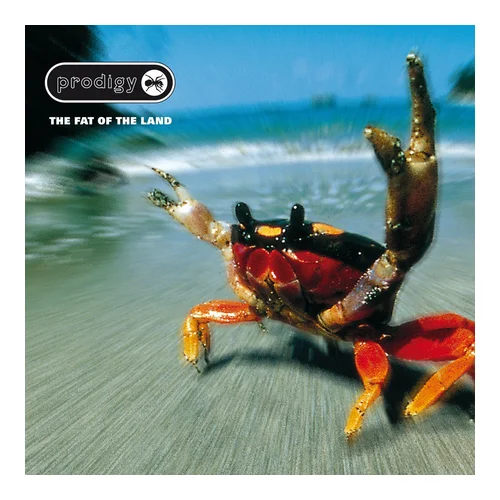
Composé et produit par Liam Howlett, The Fat of the Land succède à Music for the Jilted Generation (1994) et marque la première participation active de Keith Flint au chant, aux côtés de Maxim Reality, présent sur deux titres. Le disque accueille également des collaborations extérieures : Crispian Mills (Kula Shaker) sur « Narayan », Kool Keith sur « Diesel Power », ainsi que Saffron (Republica) et Skin (Skunk Anansie) en choristes sur « Fuel My Fire », reprise du groupe L7. La pochette, dévoilant une image de crabe photographiée sur la plage de Playa Las Gemelas, dans le parc national Manuel Antonio au Costa Rica, accompagne un changement d’identité visuelle du groupe, qui abandonne alors l’article « The » de son nom au profit d’une silhouette de fourmi. Publié dans la continuité de la scène rave britannique du début des années 1990, l’album s’inscrit dans un contexte où Liam Howlett cherche à radicaliser le son du groupe en y intégrant des éléments issus du rock et du punk.
Musicalement, The Fat of the Land conjugue des breakbeats puissants, des lignes de basse saturées et des éléments empruntés à la culture punk et au big beat, un style alors en pleine expansion au Royaume-Uni. Les dix titres alternent morceaux agressifs et instrumentaux plus amples : « Smack My Bitch Up » et « Firestarter » reposent sur des riffs distordus et un chant scandé, tandis que « Narayan », plus long morceau de l’album, s’ouvre à des sonorités psychédéliques portées par la voix de Crispian Mills. L’ensemble emprunte aussi bien à la techno acide qu’au hip-hop, avec des field recordings et des textures sonores denses caractéristiques de la production de Liam Howlett. Ce mélange des genres, revendiqué comme une rupture avec l’orthodoxie de la scène électronique de l’époque, a contribué à faire de The Fat of the Land une référence du croisement entre musique électronique et esthétique rock des années 1990.
Accueilli favorablement par la presse spécialisée dès sa sortie, The Fat of the Land s’est hissé numéro un des classements au Royaume-Uni et aux États-Unis, où il s’est vendu à plus de deux millions d’exemplaires certifiés double platine ; il totalise aujourd’hui plus de dix millions d’exemplaires écoulés dans le monde. Trois singles en ont été extraits : « Firestarter », « Breathe » et « Smack My Bitch Up », restés parmi les titres les plus identifiés du groupe. L’album a figuré dans l’ouvrage 1001 Albums You Must Hear Before You Die et a été nominé au Mercury Music Prize 1997, ainsi qu’aux Grammy Awards. En 1999, il est entré dans le Guinness World Records comme l’album de dance britannique le plus rapidement vendu. Il demeure considéré comme l’œuvre la plus marquante de la discographie de The Prodigy.
The Fat of the Land is the third studio album by British electronic group The Prodigy, released on 30 June 1997 through XL Recordings (and on 1 July in the United States via Maverick Records). Driven by Liam Howlett’s production and featuring Keith Flint’s first vocal contributions, The Fat of the Land marks a turning point in the group’s trajectory, bridging underground rave and rock-driven energy. Upon release, it topped both the UK and US charts, confirming the crossover ambition between electronic music and punk culture that runs through the record.
Written and produced by Liam Howlett, The Fat of the Land follows Music for the Jilted Generation (1994) and marks Keith Flint’s first active role as a vocalist, alongside Maxim Reality, who is featured on two tracks. The record also includes outside collaborations: Crispian Mills (Kula Shaker) on « Narayan, » Kool Keith on « Diesel Power, » and Saffron (Republica) and Skin (Skunk Anansie) on backing vocals for « Fuel My Fire, » a cover of the L7 track. The cover art, showing a crab photographed on Playa Las Gemelas beach in Manuel Antonio National Park, Costa Rica, accompanied a shift in the group’s visual identity, as they dropped « The » from their name in favor of an ant-silhouette logo. Released in the wake of the early-1990s British rave scene, the album reflects Liam Howlett’s ambition to push the group’s sound toward rock and punk elements.
Musically, The Fat of the Land combines powerful breakbeats, distorted basslines and elements borrowed from punk culture and big beat, a style then expanding rapidly in the UK. The ten tracks alternate between aggressive cuts and more expansive instrumentals: « Smack My Bitch Up » and « Firestarter » rely on distorted riffs and chanted vocals, while « Narayan, » the album’s longest track, opens into psychedelic textures carried by Crispian Mills’ voice. The record also draws on acid techno and hip-hop, with field recordings and dense sound textures characteristic of Howlett’s production. This genre-blending approach, presented as a break from the orthodoxy of the era’s electronic scene, helped establish The Fat of the Land as a landmark crossover between electronic music and 1990s rock aesthetics.
Well received by the specialized press upon release, The Fat of the Land reached number one on both the UK and US charts, selling over two million certified double-platinum copies in the United States and more than ten million worldwide to date. Three singles were released from it: « Firestarter, » « Breathe » and « Smack My Bitch Up, » which remain among the group’s most recognizable tracks. The album was included in the book 1001 Albums You Must Hear Before You Die and was nominated for the 1997 Mercury Music Prize as well as a Grammy Award. In 1999, it entered the Guinness World Records as the fastest-selling UK dance album. It remains regarded as the defining work in The Prodigy’s discography.